Work in Progress (WIP)
By using bar codes to track work in progress,
a manufacturing manager can monitor the activity
of all job locations and increase productivity by
eliminating the need for machinists and/or assemblers
to spend unproductive time manually entering in their
respective activities. Fundamentally, a manufacturing
company's inventory consists of raw materials, work
in progress (WIP), and finished goods. WIP is the
link between raw materials and finished goods and
is generally the most complicated process of which
to maintain inventory control. WIP includes materials
that will be integrated into sub-assemblies and the
series of steps to build a finished product.
WIP can account for 25% and even up to 30% of
the yearly cost of inventory. Ideally, WIP inventories
should be reduced to just-in-time levels to minimize
these cost. In reality, if WIP is not closely monitored,
production schedules, quality, obsolete inventory,
and higher inventory problems can occur.
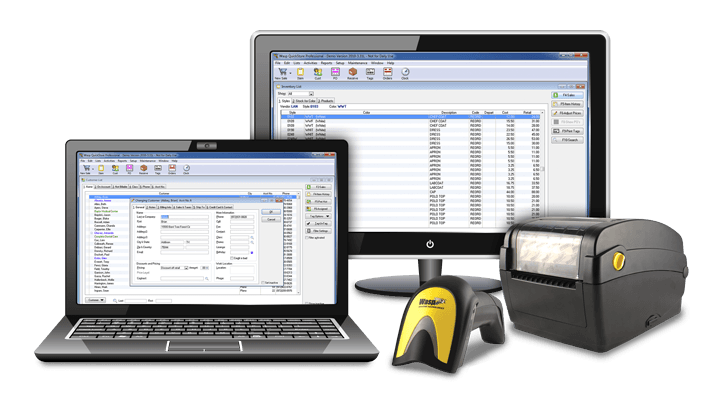
A WIP system should minimally consist of scanners
at each workstation that connect to a central computer
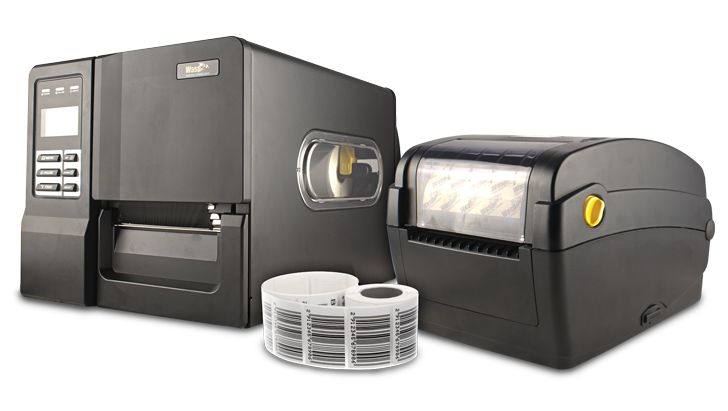
such as a mainframe or minicomputer. A bar coded label
should be strategically placed on the part or container
so that when the order is completed an assembler can
easily scan the WIP order when it is finished. A work
order should also follow the part(s). Using a simple
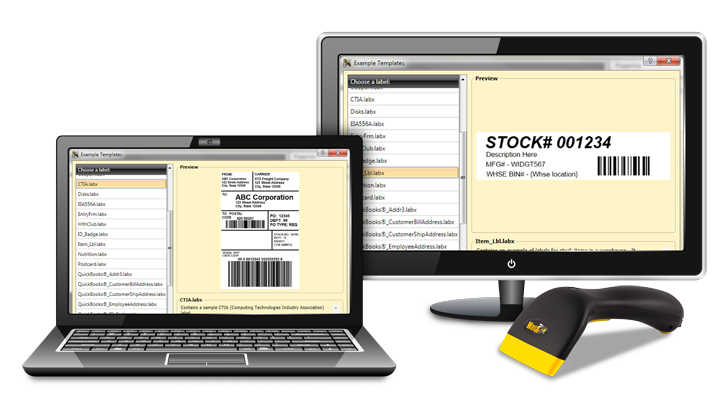
wedge decoder and scanner, productivity can be increased
substantially. As an assembler completes the task,
the work order, quantity, and employee ID can be scanned.
Once the information is scanned, production can be
closely monitored so that WIP levels can be optimized.
|